
DON’T LET TOOTHACHE SPOIL YOUR
Joyful Moments!
ROOT CANAL TREATMENT
Root canal treatment (endodontic therapy) helps relieve tooth pain, remove infection from inside the tooth, and protect your natural tooth so you can chew comfortably again. At Dundas Dental Group in Toronto, we use modern techniques and gentle anesthesia to make your visit as comfortable as possible.
If you have swelling, severe pain, fever, or trouble swallowing, seek urgent dental/medical care.

WHEN YOU MAY NEED A ROOT CANAL
A root canal is recommended when the tooth pulp (the soft tissue inside the tooth) becomes inflamed or infected. Treating it early can prevent worsening pain and help avoid an abscess.
- Deep decay reaching the nerve
- Cracks or a leaking filling
- Trauma to a tooth (even without visible cracks)
- Repeated dental work that irritates the pulp
Common symptoms can include lingering sensitivity to hot/cold, pain when biting, swelling or pimple-like bump on the gums, or tooth darkening.
TOOTHACHE OR SWELLING?
If you think you may need a root canal, we can assess your tooth, take appropriate X-rays, and discuss the best treatment plan.
WHAT HAPPENS DURING A ROOT CANAL?
Root canal treatment is typically completed in one or two visits and may involve:
- Diagnosis & comfort: We examine the tooth, review X-rays, and numb the area with local anesthetic. A protective barrier (rubber dam) is used to keep the tooth clean and dry.
- Cleaning: We create a small opening, remove the inflamed/infected tissue, and carefully clean and shape the canals.
- Disinfection & sealing: The canals are disinfected and then filled with a biocompatible material to seal the space and reduce reinfection risk.
- Restoration: The tooth is restored with a strong filling and often a crown to protect it from fracture and bring back full function.
Every case is different. We’ll explain your options, benefits, risks, and expected outcomes before treatment as part of informed consent.
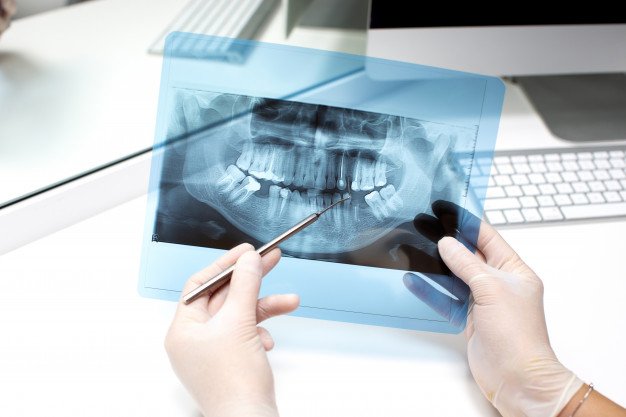
DOES A ROOT CANAL HURT?
Most patients say the procedure feels similar to getting a filling. We use effective local anesthesia and a gentle approach to keep you comfortable. After treatment, mild soreness or bite tenderness can happen for a few days and usually improves with time.
If you’re anxious, tell us—our team will walk you through the process step by step and discuss comfort options during your visit.
LEARN MORE FROM TRUSTED SOURCES
For additional patient information about root canal treatment and informed consent, you may find these resources helpful:
- Canadian Dental Association (CDA) – Joint Public Statement on Root Canal Treatment
- RCDSO – Information on Consent to Treatment
- American Association of Endodontists – Root Canal Treatment (Patient Info)
External links are provided for general education and do not replace personalized advice from your dental professional.
ROOT CANAL FAQ
Common signs include lingering hot/cold sensitivity, pain when chewing, swelling, or a recurring bump on the gum. The only way to confirm is an exam and appropriate X-rays.
Yes. Root canal treatment is widely used to treat infection and help save natural teeth. We’ll review your diagnosis and explain benefits and risks before starting.
Many cases can be completed in one or two visits. The number of appointments depends on the tooth, canal anatomy, and the presence of infection.
Often, yes—especially for back teeth. A crown helps protect the tooth from cracking and restores chewing strength. We’ll recommend what’s best for your tooth.
Mild tenderness is normal for a few days. Avoid chewing hard foods on that tooth until it’s fully restored, and follow any instructions we provide.
Delaying can allow infection to spread, increase pain, and raise the risk of swelling or abscess. Early treatment is usually simpler and more predictable.